
Exploring the impact of luck versus strategy in gambling
The Role of Luck in Gambling
Luck is often regarded as a fundamental aspect of gambling. In games that are predominantly driven by chance, such as slot machines and roulette, players heavily rely on luck to dictate the outcome. The unpredictable nature of these games makes it impossible to devise a foolproof strategy that guarantees success every time. The thrill that accompanies the possibility of hitting a jackpot is intricately linked to this element of luck; each spin or roll can invoke a rush of excitement as players eagerly await the results, wondering if this time they might be the lucky ones engaging with ontario online casino fast withdrawal that can enhance their gaming experience.

Moreover, the notion of luck extends beyond immediate game outcomes. Many gamblers engage in rituals or superstitions, convinced that certain behaviors might enhance their luck. This could include wearing a “lucky” charm, following specific routines before placing bets, or even choosing certain numbers based on personal significance. Though these practices lack scientific backing, they reveal the psychology behind gambling, where players often seek a sense of control amidst the unpredictability of chance. This pursuit of perceived influence underscores the emotional investment gamblers place in their experiences.
From a statistical perspective, games of luck are designed to favor the house over time. The concept of the house edge ensures that the gambling establishment will profit in the long run, rendering luck a capricious ally for players. Recognizing this dynamic is critical; players must understand that while luck may yield occasional victories, sustained success is unlikely without the integration of strategy. This interplay between chance and strategy sets the stage for a deeper exploration of their relationship within the gambling landscape.
The Importance of Strategy in Gambling
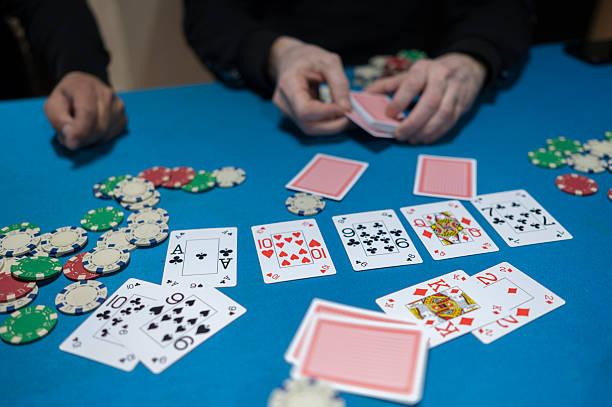
While luck plays a significant role, strategic thinking is equally essential in various gambling situations. Strategy involves assessing odds, crafting game plans, and making informed decisions based on the rules and dynamics of the game. For instance, in games like poker, a player’s ability to read probabilities and understand the behavior of opponents can dramatically impact the outcome. Here, a well-thought-out strategy can lead to a more advantageous position, illustrating how skill can sometimes prevail over luck.
Additionally, employing betting strategies such as the Martingale system or Fibonacci sequence exemplifies how players can utilize calculated tactics to enhance their winning potential. These methods involve adjusting bet sizes based on previous wins or losses, providing a structured approach to gambling. However, it is crucial to acknowledge that while these strategies can improve short-term results, they do not eliminate the inherent risks associated with gambling. Players must remain cognizant of the volatility that accompanies any betting strategy.
Understanding the balance between strategy and luck is vital for any gambler aspiring for success. Players must adapt their strategies based on the specific games they engage in while recognizing that luck can shift the balance unpredictably. This complex interplay between skill and chance creates a rich tapestry of experiences that define the gambling realm, enabling skilled players to capitalize on fortuitous moments while mitigating the impacts of unfavorable outcomes.
The Psychological Aspect of Luck and Strategy
The psychological dynamics of gambling significantly influence how players interpret luck and strategy. Research indicates that individuals often exhibit cognitive biases that shape their gambling behaviors. For example, many gamblers fall prey to the “gambler’s fallacy,” mistakenly believing that past outcomes will affect future results. This misunderstanding can lead to misguided betting decisions and unwarranted confidence in achieving favorable results, potentially resulting in greater losses.
Moreover, emotions play a pivotal role in gambling choices. A winning streak can boost a player’s confidence, leading them to make riskier bets under the belief that luck is favoring them. Conversely, a series of losses may incite feelings of despair, prompting reckless behavior as they attempt to recover their losses. Understanding these psychological factors can empower players to foster a more balanced approach to gambling, grounding their decisions in rational thinking rather than emotional impulses.
Furthermore, the impact of perceived luck can create a false sense of security among players. Those who experience sporadic wins may attribute their success to skill rather than chance, which can lead to overconfidence. This overestimation of one’s abilities can result in larger bets and higher stakes in pursuit of even greater wins, often neglecting the unpredictable nature of gambling outcomes. Educating gamblers about these psychological elements can assist them in navigating their gambling experiences more effectively, promoting a blend of luck and strategy for a holistic approach to their gaming endeavors.
The Balance of Luck and Strategy in Different Games
The influence of luck versus strategy can vary significantly across different types of gambling games. For instance, games like blackjack necessitate a combination of strategic thinking and skill, where players must make decisions based on the dealer’s upcard and their own hand composition. In this context, understanding basic strategy—such as knowing when to hit or stand—can substantially enhance a player’s chances of winning, highlighting the importance of informed decision-making alongside reliance on luck.
In contrast, games such as craps or baccarat are more heavily influenced by luck. While players can employ specific betting patterns, the outcomes are largely dictated by chance, allowing limited scope for strategic maneuvering. Recognizing these distinctions is essential for gamblers as it enables them to tailor their approach based on the game being played, maximizing both enjoyment and the potential for success. This understanding can also inform players on how to allocate their time and resources effectively in different gambling environments.
The balance between luck and strategy also emphasizes the importance of responsible gambling practices. Recognizing when to depend on skill and when to concede to the role of luck can help prevent players from falling into the trap of chasing losses. By emphasizing the unique characteristics of various games and the respective influence of luck and strategy, gamblers can make more informed choices, leading to a more enjoyable and intelligent gambling experience that prioritizes both fun and responsibility.
Discovering More on Gambling Strategies
Exploring the intricate relationship between luck and strategy in gambling can significantly enrich a player’s experience. By diving into the nuances of each game, gamblers are empowered to formulate strategies that align with their unique skills and preferences. Whether one is drawn to the excitement of chance-based games or the strategic depth of card play, a wealth of information is available for exploration to enhance their understanding.
Our website serves as a valuable resource for those eager to expand their knowledge about gambling strategies, tips, and insights. Featuring a wide array of articles, guides, and expert opinions, we aim to equip players with the necessary tools to navigate the gambling landscape effectively. Whether you are a novice seeking to grasp the fundamentals or a seasoned gambler looking for advanced techniques, our platform offers something for every level of expertise.
By adopting a comprehensive approach that acknowledges both luck and strategy, players can cultivate a more fulfilling and responsible gambling experience. We encourage you to explore our content, stay informed, and arm yourself with the knowledge essential for enhancing your gambling journey. Embrace the duality of luck and strategy to make informed decisions and enjoy the thrill of the game while maintaining a responsible approach.
Related Posts

About The Author